What is a steel framed building system?

What is a steel framed building system?

DEFINING A PRE-ENGINEERED METAL BUILDING SYSTEM

A steel framed building system creates an incredibly strong, long-lasting, affordable structure.

The flexibility of pre-engineered steel buildings makes them the ideal building solution for most low-rise agricultural, aviation, commercial, industrial, recreational, and storage buildings.

Check out the below video prepared by American Metal Building Builder Association.

What exactly is a Steel Framed Building System?

A metal building system is a system designed by a sophisticated steel structural software according to the design criteria and parameters. 

The software then generates detailed drawings for the fabrication of each framing component of the prefabricated metal building. 

Factory-trained professionals manufacture each piece of the framing to these exacting specifications.  Fabricators cut, shape, weld, drill, punch, paint, and mark each framing piece for quick identification.

Our steel framing systems ship to the job site, ready to assemble.

Pre-engineered Steel Building components

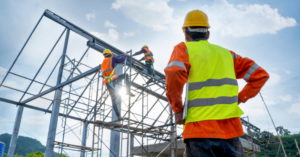
The steel building framing erects in a systematic, logical order:

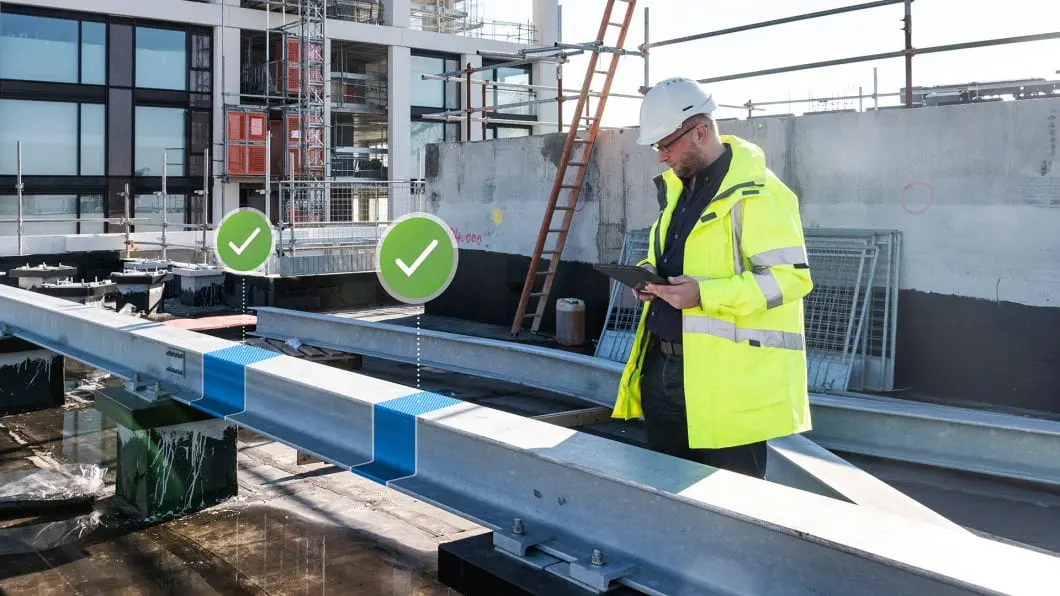
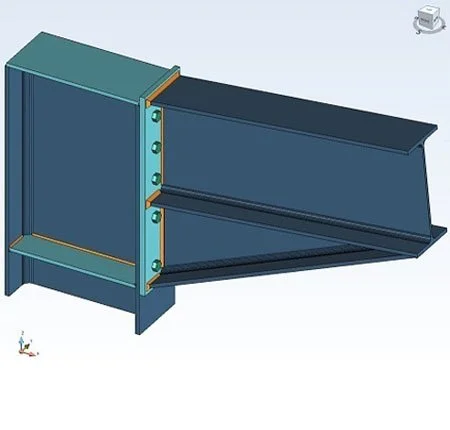
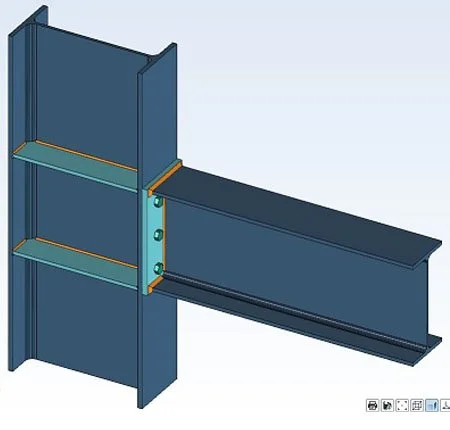
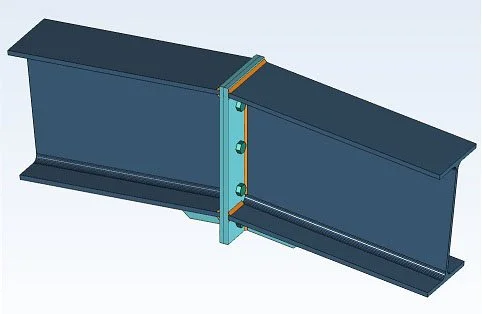
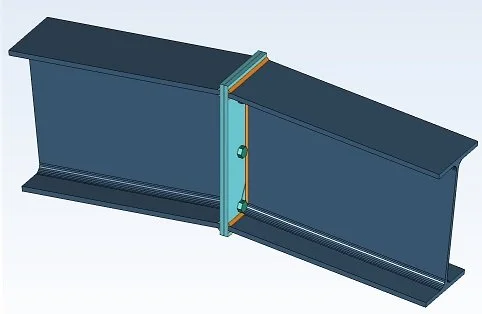
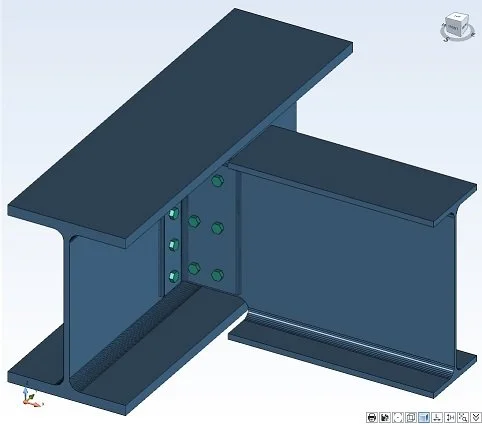
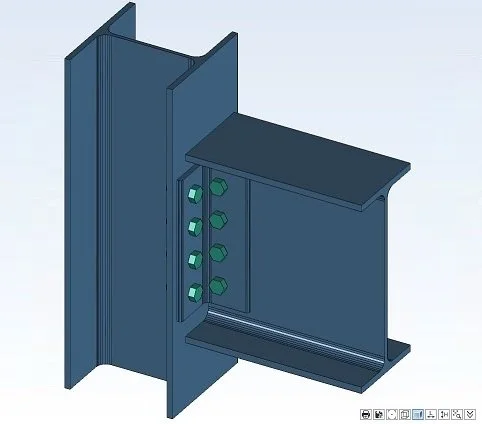
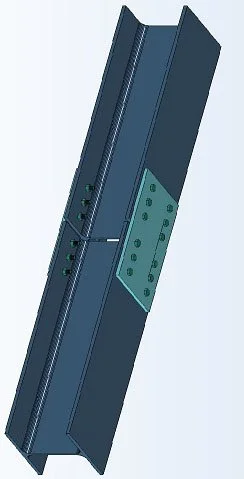
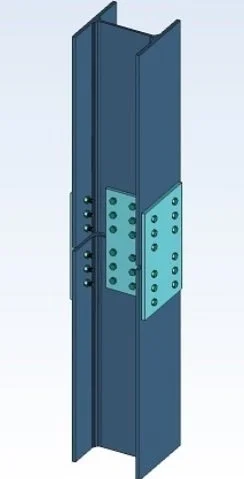
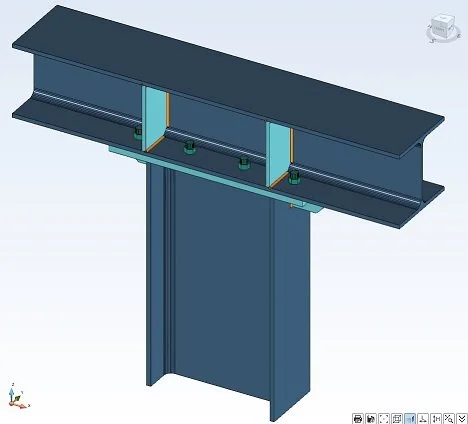
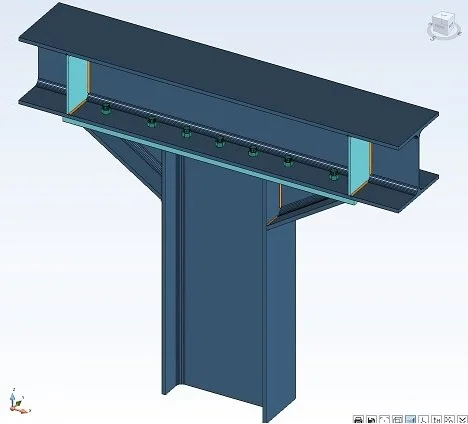
• Factory-produced steel column and rafter beams bolt together with heavy-duty steel bolts and nuts, forming a single frame.

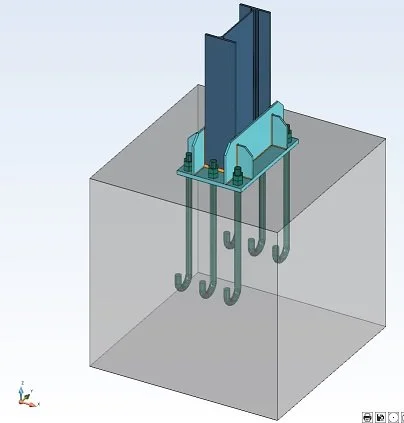
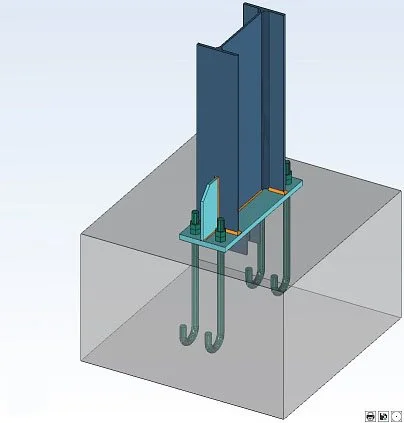
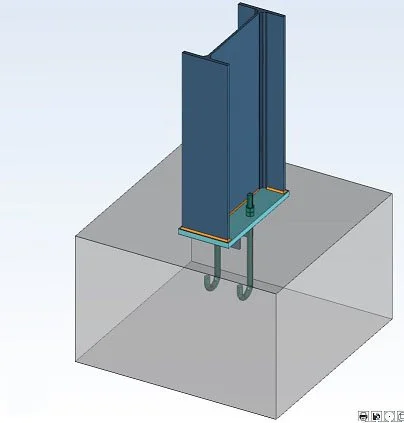
• These frames bolt to the foundation, creating a “bay”— the area between two frames.

Steel girts are attached to the sides of the columns for cladding support.

Steel purlins connect the frames across the roof.

• Typically, insulation (sandwich) panels screw to the roof and exterior walls forming the “skin” of the prefabricated metal building. However, a metal building system may also be finished with block, brick, glass, aluminium, tilt-up concrete, or any other traditional exterior finish.

In addition, all Tekmetsan pre-engineered steel buildings include an anchor bolt diagram and a set of plans for the erection works.

Contact Our Experts at Tekmetsan

Contact Tekmetsan Steel Building Systems now for more information about our commercial-grade steel building framing. 

You can trust our experienced metal building specialists to answer your every building question.  They can also provide valuable professional advice for streamlining your prefabricated metal building project. 

Steel Types and Grades

Steel Types and Grades

Steel offers exceptional qualities in terms of mechanical resistance. Of the most commonly used materials in construction, it demonstrates the greatest resistance for the lightest section, both in tension and compression. This opens the door for architects to a wide choice of technical and aesthetic solutions. 

The main steel grades that we are using in our structures are S235, S275 and S355 for structural members.

Steel Product Types

The steel products can be classified into two main categories, as shown in the below figure

1. Hot Rolled Profiles

Hot rolled long products (often referred to as ‘sections’ or ‘profiles’) are generally used for the main frame members (columns, beams, bracings).

Sections undergo various transformations through cutting, welding, bending etc., in order to obtain very different shapes and improved performance.

2. Cold Formed Long Products

Cold formed long products, formed from thin sheet steel, are generally used as secondary members for cladding (rails) and roofs (purlins)

3. Flat Products
In metal building construction, the use of flat products is mainly for the following purposes:
• Steel decking for floors
• Roofs
• Cladding
For each of these purposes, thin sheet steel is used, frequently formed into profiled sheets

Essential components of steel buildings

Essential components of steel buildings

A pre-engineered steel building is a modern technology where the complete designing is done at the factory and the building components are brought to the site in a completely knock down condition and then fixed/jointed at the site and raised with the help of cranes.
In this article we will highlight the three types of components used to build modern steel structures

1. Primary Framing

Primary framing is comprised of fabricated columns and rafters; referred to as frame lines or main frames when bolted together. These are the heavy members in the superstructure that bear the major weight and applied loads. 

These components are the distinguishable elements that people can see, and know without a doubt, that they are looking at a metal building. At Tekmetsan we use generally hot rolled sections for columns and rafters. 

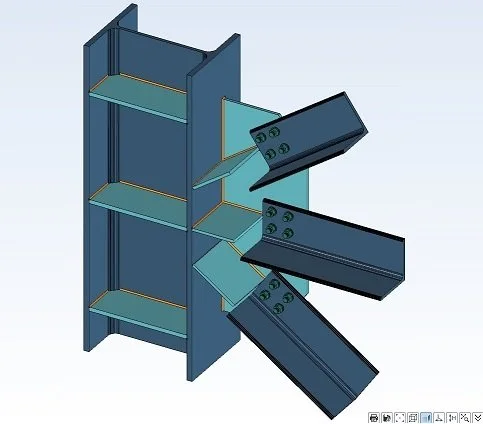
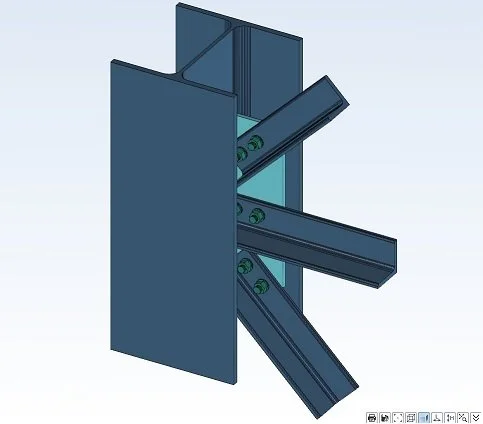
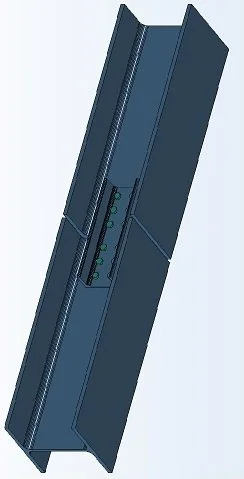
Without the complete primary frame, the building would not stand up to vertical or lateral loads over time. The following items, bolted or welded together, form the superstructure:

• Columns: The vertical supports. Columns can come shaped as tubes or with a cross-sectional shape of a capital H, I, L or U.

• Beams: The horizontal supports that rest atop the columns. Usually I or H-shaped with flanges perpendicular to the “web” or main plate.

• Rafters: Also beams, these horizontal members support the roof assembly.

• Trusses and Lattice Girders: Alternative support for the roof or upper floors, comprised of a latticework of bracing metal between top and bottom chords. While the chords bear compression and tension loads, the bracing resists shear forces.

• Girders: Horizontal beams that support floors.

2. Secondary Framing

Once the backbone of your framing has been determined, the next step is to plan the secondary framing. 

Providing the stabilizing members that prevent the main frame from twisting out of shape, secondary components can also contribute to the structural support and provide the means to attach wall, roof and interior elements. The secondary framing usually transfers loads to the main frame.

• Girts and purlins: Girts tend to be Z-shaped, providing support for wall panels while increasing the strength and stability of the primary framing. Purlins serve the same purpose, but are utilized in roof applications.

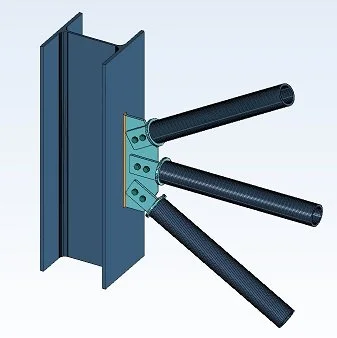
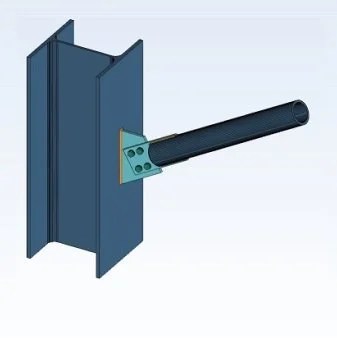
• Wall and Roof Braces: Bars, cables rods or strips that resist shearing and contribute more lateral stability.

• Eave Struts: The transition piece between the wall girts and roof purlins along the eave.

• Headers and Jambs: The framework for openings such as doors, windows and bays.

3. Fasteners

The primary and secondary framing components needed to complete your structure will be manufactured in a steel fabrication facility to ensure the highest levels of quality and consistency. 

Once these pieces arrive on your site, it is time to assemble them with the approved fasteners:

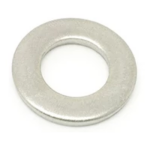
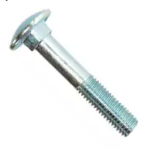
Bolts (anchor bolts, U-bolts, and so on)
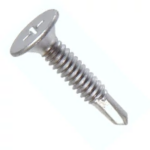
• Construction screws
• Inserts
• Weld studs
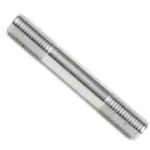
• Threaded studs

Building Envelope

Typically comprised of pre-coated, single-skin metal panels; however, insulated metal panels are becoming more commonplace. However, just as common, the materials used to enclose a metal building structure can vary from masonry to glass, wood siding to innovative architectural panels, and beyond. Chances are the brick façade you see on your favourite retail store is hiding a metal building beneath. In certain applications, the metal panels add structural integrity to the building system as a whole, and why the term metal building systems is commonly used. 

Single-skin panels and the metal components of insulated panels are cold-formed, just like the secondary framing.

Sheet steel runs through a progressive series of rollers that shapes the flat material into a specific cross-sectional profile that is strong and durable. After cutting to length, appropriately bundled and crated, the finished product is ready for delivery.

While an economical option, the through-fastened metal panel remains a long-lasting, attractive and versatile product. Architectural metal panels offer concealed fastener options, with enough variety to likely satisfy all aesthetic demands. 

What is a pre-engineered steel building ?

What is a pre-engineered steel building ?

There is not one but many definition of pre-engineered steel building

• A cost-efficient building system alternative to conventional construction
• A steel building designed for the most efficient use of raw materials
• A structural system generally including steel framing, roofing, and wall cladding
• A structure built on site using prefabricated components
• A simplified, streamlined building system designed for quick construction

Check out the below video prepared by American Metal Building Builder Association.

The versatility of steel prefab buildings makes them a popular building solution for commercial enterprises, industrial structures, and even personal use buildings.

Designing a Pre-engineered Steel Building

Tekmetsan pre-engineered steel buildings are not standard designs ordered from a catalog. Each of our prefab building is designed, engineered, and fabricated for the specific project, based on the customer’s needs.

Based on the customer-supplied details, computer-aided design software creates working plans and detailed drawings.

Current local building codes, equipment loads, and other detailed criteria are fed into advanced steel engineering programs.

Every order includes an anchor bolt plan and a full set of assembly plans.


Fabricating a Pre-engineered Steel Building

Drawings detailing the manufacturing of every piece of the framing arrive at the manufacturing plant.

Each individual component of the framing is precision cut, shaped, welded, drilled, painted, and marked per the exacting specifications in the drawings.

Tekmetsan supplies prefab buildings with a single-source shipment of the entire steel framing system. 
All the framing pieces and accessories ship together.
 Everything arrives at your job site on an agreed schedule.

Erecting Prefab Buildings

Typically, a steel prefabricated building erects in significantly shorter time of more labour-intensive construction methods.

Detailed drawings shows the exact location of every piece of the framing puzzle.  It is just a matter of installing the pre-marked pieces in the locations indicated. All structural members bolt together easily.

Conclusion

Pre-engineered prefab buildings are the modern solution for low rise buildings on practicality, price, and performance. With years of experiences, Tekmetsan offers design and fabrication of pre-engineered buildings.

ISO 12944 – Protective Paint Systems

ISO 12944 – Protective Paint Systems

Corrosion must be considered early in the design of steel structures. If left unprotected in corrosive environments, steel structures are liable to corrosion that can be both costly and put lives in danger.

One way to control corrosion is to use paints and coatings. ISO 12944 is the internationally recognised standard that provides instruction and guidance to those working with steel structure design, including planners, painters, inspectors, maintenance, and manufacturers of coatings.

How a steel structure is designed has a real bearing on the ability to protect it against corrosion. Poorly designed structures may have corrosion traps which are difficult to protect and from which corrosion can spread rapidly.

The basic steel structure design criteria that may be exposed to corrosive environments include keeping the design simple and minimising surfaces that may be exposed to corrosive pressures.

Designers should incorporate design elements to prevent water being trapped and where foreign matter may combine to increase the potential for corrosion. Design features that might be considered include inclined surfaces, drainage systems, and chamfered edges.

• The shape of the structure
• The use of the structure
• Structural elements such as method of joining
• Environmental factors

In many instances, steelwork will be in a warm dry interior where it will not corrode, and the structural stability of the building will not be threatened during its design life (generally taken as 50 years). In such conditions (classified as C1) no corrosion coating is required. Examples include steelwork inside dry buildings with neutral atmospheres such as multi-storey office buildings, shops, schools, hotels, residential buildings, airport terminals, and hospitals, etc.

However, when steelwork is exposed to moisture, corrosion will occur at a rate depending on the severity of the environment. In such cases, a coating system appropriate to the environment category should be provided. Note that some buildings may contain areas where different environment conditions apply e.g. hospitals would normally be C1, but may contain kitchens and laundry areas that would normally be C3. Some types of buildings, such as car parks may fall into any of the above categories or combinations of them depending upon their location, design and construction.

Experienced technical sales of Tekmetsan will help you in determining what kind of corrosion class your structure falls. After identifying the corrosion class, our experts will offer you the appropriate coating solution for your budget.

Tekmetsan has very deep knowledge in both high and low corrosion environments and delivered various steel structures with various coating options. Get in contact with us today and let’s discuss your steel building.

Steel Stairs

Steel Stairs

Steel staircases offer several benefits over other traditional materials such as timber and concrete. Other than its obvious durability and longevity, steel is a cost-effective, practical and versatile modern staircase construction material:

• It delivers a modern aesthetic

• It is significantly stronger than timber construction

• It is very flexible to meet almost any design challenges

• It enables fast and secure erection.

A striking staircase design is the focal point of your walkthrough and should blend seamlessly with the rest of your building. Not only should the design impact and complement your structure but it should also be practical.

Tekmetsan has broad experience in designing and fabricating commercial and industrial staircases.

Industrial Staircases

Modular, permanent, code-compliant, industrial staircases (cage, cat ladders) designed to meet the access requirements of industrial applications.

Designed in modular units with a choice of standard stairs or alternating tread stairs. Each unit is assembled and then installed by stacking and bolting together at the base plates for easy alignment. No welding is required for assembly or installation.

• Roof access
• Tank access
• Long-term construction site stairs
• Equipment access
• Work platforms

Commercial Staircases

Tekmetsan fabricates bolted stair systems consisting of pre-fabricated landing, stringer, tread, and rail components that are easily customized to meet specific project requirements.

We provide dedicated, in-house resources for each step of your commercial steel stair project
• Estimating
• Project management
• Modeling and detailing
• Material delivery scheduling and phasing
• Installation drawings and support

Applications
• Hotels
• Apartment buildings
• Office and mixed-use
• Mid- and high-rise buildings
• Health Institutions
• Parking garages
• Multi-level storage facilities
• Student housing

Design & Modeling

Our in-house design team provides all necessary documentation for a successful staircase delivery.
• All projects include modeling and BIM coordination
• .ifc files for structural steel coordination are available
• Complete General Arrangement Set for review and approval

After the order confirmation we provide:
• ISO views
• Section views
• Plan views
• Dimensions
• Connection details

Metal Building insulation

HOW TO INSULATE A METAL BUILDING ?

In most applications, the primary feature of thermal insulation material is its ability to reduce heat exchange between a surface and the environment; or between one surface and another surface. The general rule is the lower a material’s thermal conductivity, the greater its ability to insulate for given material thickness and set of conditions. 

Before buying an insulation system for your metal building, you need to understand insulation R-value.

At its simplest, insulation R-value indicates the amount of heat flow through an insulation product.

The higher the R-value number, the greater the product’s resistance to heat transference.

The more effectively the insulation works, the greater your energy savings.

However, just buying thicker insulation and stuffing it into a wall does not increase energy efficiency.  The more air pockets in insulation, the better the insulation works.

Why Insulation R-Value is so important

Steel buildings have many benefits over other framing materials.  However, steel has one weakness: thermal transference.  In an uninsulated metal building, summer heat and winter cold can follow through the framing, affecting interior comfort.

Nevertheless, insulating metal buildings with a first-class insulation system renders steel’s thermal transference moot.

For example, Tekmetsan’s insulation panels breaks heat and cold transfer through the steel, creating a comfortable, cosy inside interior.

Starting with a Tightly Sealed Structure

Even the best metal building insulation is only part of the energy efficiency equation.

If the structure leaks air, it consumes too much energy in spite of a high insulation R-value.

As an organic material, wood framing twists, warps, creeps, and sags with changing humidity.  As lumber-framed buildings age, nails start to pull out and loosen, creating air leaks and drafts.

On the other hand, a pre-engineered steel building creates a very tight building envelope.

The steel framing will never move or change in shape.  The high-strength bolts and screws used in a TEKMETSAN metal building hold tightly.  Consequently, our metal buildings stay tight and draft-free for the lifetime of the structure.

Insulating Metal Buildings during Construction is the Smart Move

Customers sometimes consider cutting corners by eliminating steel building insulation from their order.  They think they can add insulation to the building later.

Insulating metal buildings at a later date is possible.  However, it is much more labour-intensive to add steel building insulation to an existing structure than to install insulation during construction.

In delayed insulation installation, some of the structure will require disassembly.

In addition, removing and replacing steel panels could cause leaks, if screws are not placed in exactly the same locations.

Conclusion

You need to consider how to insulate a metal building for maximum efficiency right in the early phase of the project design. Tekmetsan steel buildings come with great options of medium and high R values to provide an energy efficient insulated environment for your building.

Steel Anchoring

Steel Anchoring

TEKMETSAN supplies a detailed Anchor Bolt Plan with every metal building system. These plans show the building dimensions, the precise locations for anchor bolt placement, and the total number of foundation anchor bolts required in the structure. 

Anchor bolts are not just the connection elements between the steel and concrete surfaces but they are one of the most important element in a steel structure. Anchor bolts are responsible for the transfer of loads between the steel and concrete member.

Depending on when the anchors are installed, anchors used by Tekmetsan are classified into two categories;

1. Cast-in Anchors

These are the type of anchor bolts that are installed in place before pouring the concrete and are efficient in handling forces of high magnitude. Bolts are firmly held in place while the concrete is poured to maintain proper alignment and position.

The size and location of the anchors can be determined from construction drawings.

 In the below figure, you can see some examples of cast-in anchors.

2. Adhesive Anchors ( Chemical Anchors)
Adhesive anchors are anchor bolts that are placed in a pre-drilled hole, which contains an adhesive that dries and bonds to the anchor rod thread as well as the concrete.
Adhesive anchors, also known as epoxy anchors or chemical anchors, are capable of reaching high bond-stress values in relatively fast cure times.
Adhesive anchors are fully threaded rods that can be supplied in many different grades and finishes and can be cut to any length required for a given application.
How to install epoxy anchors?

Good installation is critical to performance. Here is the 5-step for the installation. 

1. DRILLING: Drill correct hole size and depth on concrete/brick/stone/masonry.

2. HOLE CLEANING: Blow out dust and clean the hole with brush, then blow out remaining dust.

3. INJECTING: Inject mixed adhesive from the bottom of the hole.

4. INSERTING: Insert and rotate stud/bolt/anchor/rebar/threaded rods into the hole.

5. HARDENING AND CURING: Time table refer to TDS. Don’t touch until full curing.

• All structural columns on a building must be anchored by at least four anchor bolts

• The placement of all actor bolts on the structure must adhere to the approved Engineered Foundation Plan

• All anchor rods shall be placed with their longitudinal axis at a 90-degree angle to the surface of the foundation

• A template (preferably steel) must be used to insure exact placement of anchor bolts in concrete.

Steel Detailing

Steel Detailing

Structural steel detailing has evolved as a critical engineering approach in the construction industry, requiring great precision. Even a minor mistake might result in a significant loss of time and money.

Steel detailing is an important and necessary step in construction of residential and commercial structures, factories and institutes. 

Steel detailing provides a communication that collaborates key stakeholders such as architects, contractors, fabricators, and others who are involved in the project at any level.

Creating comprehensive steelwork drawings serve as a guide for the structural steel detailing process.

What is the scope of steel detailing works at Tekmetsan?

Structural steel detailing entails the development of comprehensive drawings for our fabrication similar as plans, estimates, and other necessary reports and activities. There are two sorts of drawings we used in this process: shop drawings and erection drawings.

The erection drawings specify the placement coordination of each steel component within the structure and detailed dimensioned plans. It is the construction site steel erector who refers these drawings in the steel detailing process, in order to know how and where to build with the fabricated steel pieces. 

Included in the erection drawings are dimensional plans to identify the steel members, in addition to all work required on the site including bolting and anchoring.

Shop drawings on the other hand are more detailed. Each steel component, such as columns, beams, braces and purlins are meticulously detailed in the shop drawings. This describes how steel fabricators should make each component.

Component dimensions and sizes, bolting, welding, material specifications, and other details required for each component’s fabrication are all included in the shop drawings.

With its decades of experience, Tekmetsan is responsible for the design, strength, and integrity of steel constructions. For the fabrication and erection of steel members, structural steel detailing aids in the creation of detailed structural drawings, design plans, and a range of construction documents.

Steel detailing is a vital link in the project’s communication chain and to avoid any kind of misunderstandings during or after the construction process, providing a universal communication ground between the architect, general contractor, client and Tekmetsan.

With steel detailing, comprehensive shop drawings may include for each piece:
• Size
• Material description
• Required dimensions
• Surface preparation
• Bolting
• Welding
• Painting requirements
• Manufacturing conventions
• Special fabricating guidelines.
Traditionally steel detailing was carried out manually by pencils, rulers, templates of circles, triangles, drafters, drafting machines, etc. Later, these primitive methodologies were substituted by Computer Aided Designing (CAD), a specific software used only for designing in 2D and 3D which are nowadays integrated within a BIM interface.

Steel Helicopter Hangars

Steel Helicopter Hangars

Helicopters require the exceptional protection of pre-engineered steel hangars. No other building system guards helicopters and other aircraft as well as a durable steel prefab hangar.

Why Steel is the Only Sensible Choice for Helicopter Hangars?

To create the lift needed to fly, helicopters must be extremely lightweight.  The endless vibration of a helicopter in flight takes its toll on these machines. Consequently, helicopters require diligent maintenance— and heavy-duty protection.

Pre-engineered metal hangar buildings offer the best protection at the best possible price.

Tekmetsan metal prefab hangars are durable, waterproof structures for all types of rotorcraft, gliders, jets, and other aircraft. Designed to withstand mother nature at her worst, TEKMETSAN buildings promise built-in resistance to earthquake, fire, lightning, snow and wind damage.

Metal Hangar Buildings Benefits

TEKMETSAN helicopter hangars offer the benefits chopper owners appreciate most:

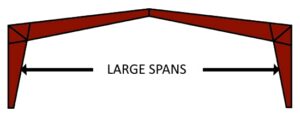
Unobstructed space— TEKMETSAN hangars promise clear span, column-free interiors up to 45 meters wide.

Towering heights— Choose hangars up to 12 meters at the eave height on a standard TEKMETSAN hangar design.  Even taller structures are available with additional engineering.  Taller hangars allow ample space for a variety of aircraft— and leave room for two-story offices, kitchen space, or pilot and personnel quarters.  Unlike arch shape buildings, TEKMETSAN hangars supply maximum usable space.

Limitless lengths— Pre-engineered steel buildings and hangars can achieve any length required.

Watertight protection— TEKMETSAN’s fasteners with built-in sealing washers, die-formed ridge caps, sealed eave closures, and formed-based trim keep the hangar dry in all types of weather.  

Bolt-together system— No welding, cutting, drilling, or painting is necessary with a TEKMETSAN hangar.  Our pre-engineered system reduces the erection time significantly.  

Bird-proof ceilings— Unlike truss-type buildings, TEKMETSAN’s rafter-and-beam portal frame buildings offer no place for birds to rest or nest overhead, fouling your chopper, equipment, or the crew!


Building a Hangar that Suits Your Specific Needs

Customize your helicopter hangar with stairs, overhead cranes, mezzanines, vents, gutters, or skylights and wall lights
whatever you need to make the building ideal for your helicopter or other aircraft.

Choose from an array of exterior panel options.  Finish the exterior with stone or brick accents for an upscale look.

Conclusion

Keep your chopper or aircraft safe from the elements with an affordable, long-lasting, low maintenance TEKMETSAN prefab hangar. 

When building a hangar for your aircraft, you can trust TEKMETSAN Steel Building Systems.  TEKMETSAN ships competitively priced steel helicopter hangars and aviation support structures all over the World.